The 7-Day Post-Delivery Shield: Reconciling Shopify Returns Before Payouts Settle
How automated refund reconciliation stops merchants from paying commissions on cancelled, returned, and chargeback orders.

Elena Rostova
Head of Growth & Partner Strategy
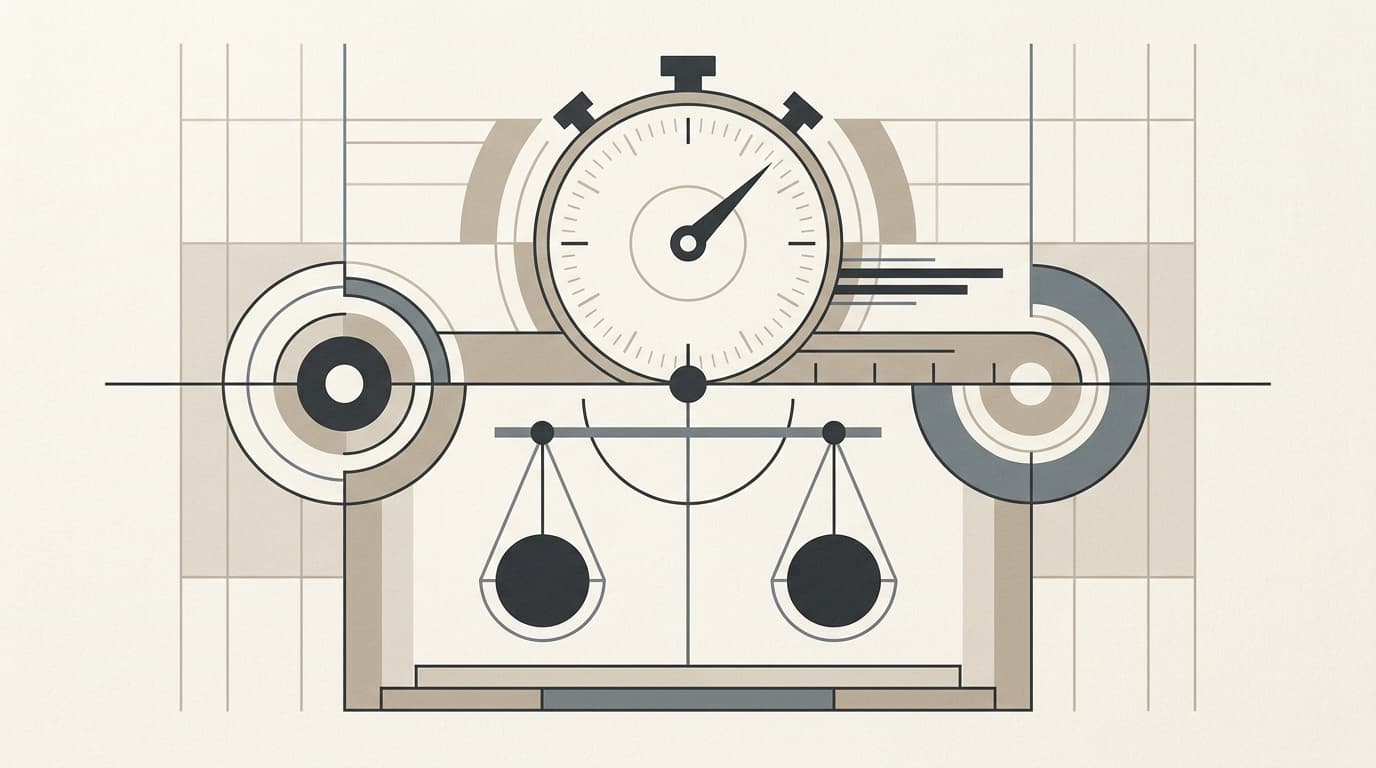
Figure 4.0 — Lifecycle timeline of an affiliate commission from order placement to maturation and payout.
- Apparel and luxury fashion brands experience 20–30% return rates, making immediate affiliate payouts financially reckless.
- Holding commission balances for a customizable window (e.g. 7–14 days post-delivery) prevents paying bounties on returned goods.
- Real-time Shopify `refunds/create` webhooks automatically recalculate or void pending commissions before payout batches are compiled.
- Itemized deduction notes in creator portals provide complete transparency, eliminating partner confusion over voided earnings.
1. The Return Rate Dilemma in E-Commerce
In categories like apparel, footwear, and consumer electronics, customer returns are a standard cost of doing business. Industry averages show that between 20% and 30% of online apparel orders are returned for refunds or store credit.
When an affiliate refers a $200 purchase, a 15% commission represents $30. If that customer returns the item 5 days later and the brand already paid out the affiliate, the merchant incurs a double loss: the shipping and handling costs of the return plus a $30 cash bounty paid on phantom revenue.
2. The Flaw in Immediate Commission Settlement
Many legacy affiliate apps immediately mark commissions as "Approved" the moment Shopify fires the `orders/create` webhook.
Reversing these approved commissions later requires tedious manual spreadsheet reconciliation, negative creator balances, or awkward payout clawbacks that damage partner relationships.
3. The 7-Day Post-Delivery Holding Window
The industry gold standard is a structured cooling off period. Commissions enter a "Pending Hold" status upon order placement and only transition to "Approved" after the merchant’s return window has elapsed.
For example, with a 14-day return policy, setting an automated 7-day post-delivery hold ensures that any customer return or partial refund automatically adjusts the pending commission before funds leave your bank account.
“A clean ledger is built on reality, not optimism. Never finalize creator disbursements until the customer has kept the product.”
— Elena Rostova, Head of Growth & Partner Strategy
4. Automated Shopify Webhook Synchronization
KickAffiliate monitors Shopify `refunds/create` and `orders/cancelled` events via webhooks. If an order is partially refunded (e.g. keeping 1 item out of 2), the commission recalculates proportionally based strictly on the retained items’ subtotal.
If the entire order is refunded or voided due to fraud, the pending commission is automatically cancelled with a clear audit log entry.
5. Maintaining Creator Trust During Hold Windows
To ensure creators understand why earnings are pending, the creator dashboard provides full visibility into the hold window timeline, displaying the exact date each transaction will mature for payout.

Elena Rostova
Head of Growth & Partner Strategy
Elena oversees strategic merchant consulting at KickAffiliate. She specializes in creator compensation frameworks, lifecycle retention, and cross-channel attribution modeling.